Melée, Wargaming, Prussia

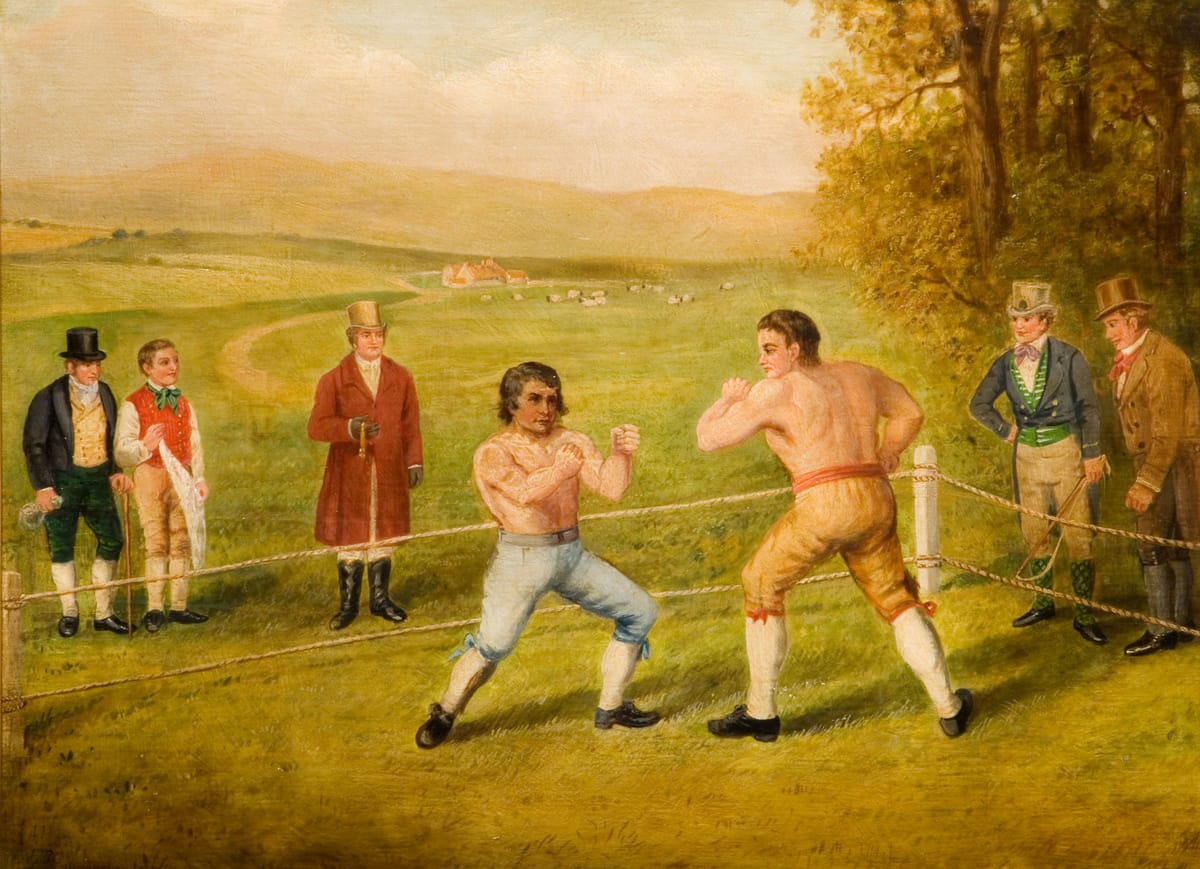
Fun fact: Some of the earliest and most recent uses of the word "melée" are in games.
Ever played Counter-Strike? If you ever ran out of ammo and had to pull out a knife, that's a melée weapon.

Ever played Kriegsspiel? It's a genre of tabletop wargaming developed by the Prussian Army in 1812 to teach officers battlefield tactics. Kriegsspiel referred to the hand-combat stage of the game as a melée.
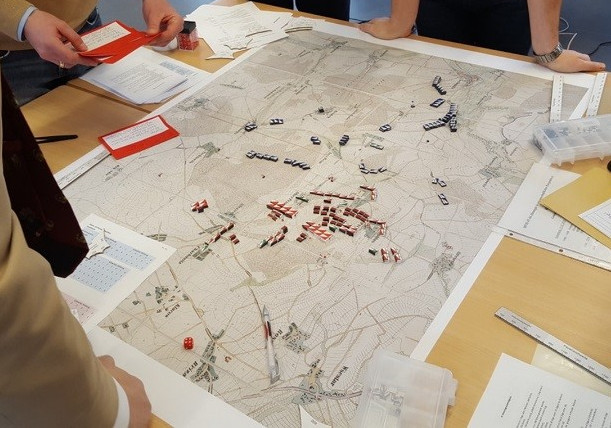
Kriegsspiel was the first wargaming system adopted by a military organization as a serious tool for training and research. Other countries began designing similar wargames for their own armies after Prussia destroyed France in the Franco-Prussian War.
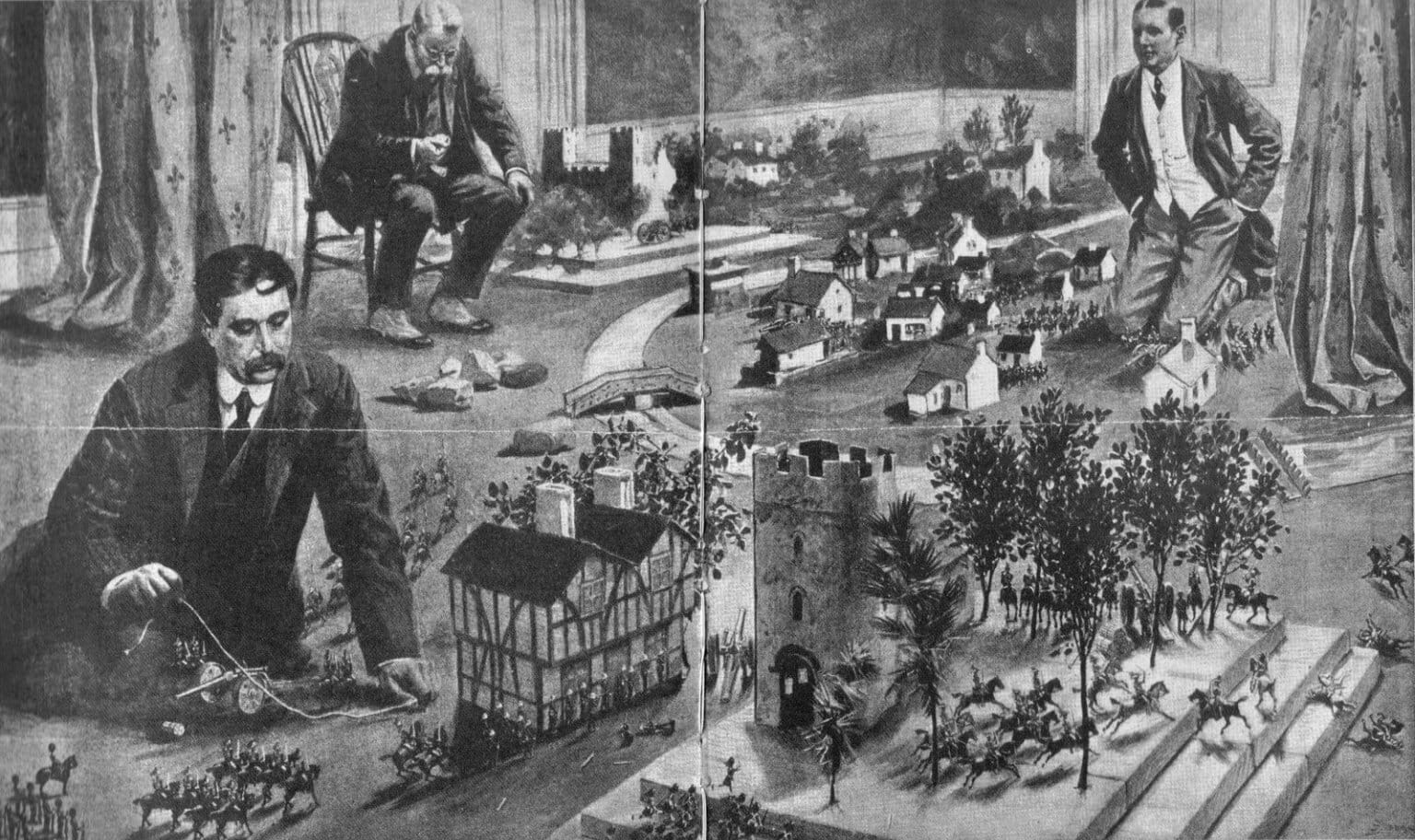
H.G. Wells was also into wargaming. He published Little Wars in 1913. This was a set of rules for toy-soldier wargaming, and he used the term melée to describe close-quarters combat.
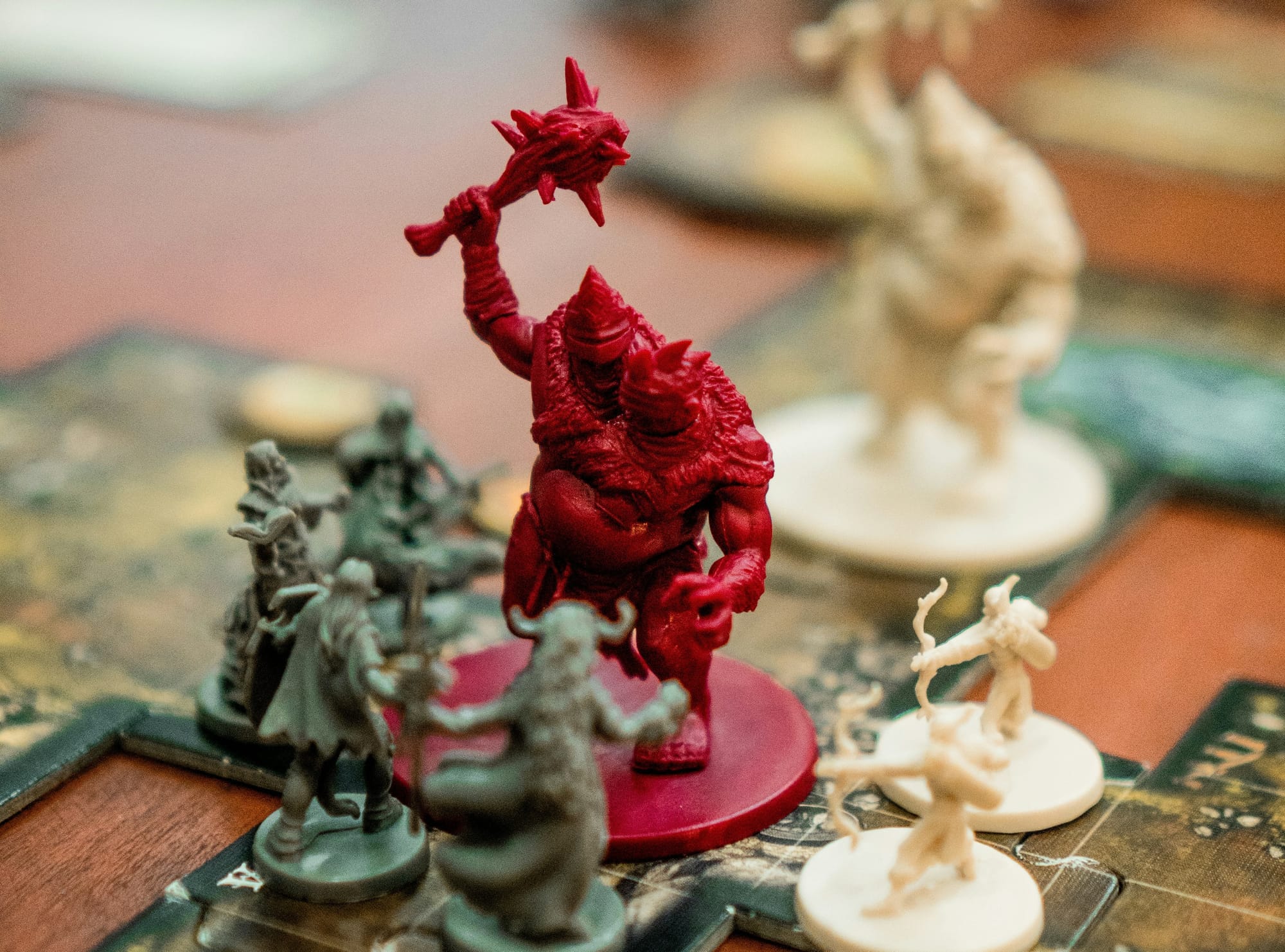
The term was brought over to tabletop role-playing games such as Dungeons & Dragons, and then to video games, including Counter-Strike and all the rest.
What is Prussia anyway?
You might have heard about Prussia in high school history classes, and then you left high school many decades ago, and now you're a bit embarrassed to realize that you forgot exactly who or what Prussia is. Something to do with Germany and Russia. Is it Russia with a "P" in front?
The Kingdom of Prussia was a German state that existed from 1701 to 1918. It played a significant role in the unification of Germany in 1871 and was a major constituent of the German Empire until its dissolution in 1918. Although it took its name from the region called Prussia, it was based in the Margraviate of Brandenburg. The capital of Prussia was Berlin.
So is it Russia with a "P" in front?
Maybe.
"Russia" is derived from the Old East Slavic name Rus (Русь) and related to the Varangian (Viking) founders of the Kievan Rus'.
"Prussia" is named after the Prussi (or Borussi), a Baltic tribe living on the Baltic Sea coast. The name has ancient Baltic or Slavic origins and might be a local, pre-Germanic tribal name. Some people say that it might be a shortened form of "Po-Rus", or "The Land near Rus". This would make a lot of sense since Prussia and Russia were neighbors. But you should know that this po Rus' etymology isn't well accepted. Experts like to say things like "Preußen and Россия sound completely different in German and Russian".
So maybe it is just Russia with a "P" in front. And if you disagree with that etymological theory then come fight me. (Melée weapons only.)